Introduction
Cardiopulmonary resuscitation (MOUTH-TO-MOUTH RESUSCITATION) is a life-saving treatment that can make all the distinction in emergency situation circumstances. Whether it's a cardiac arrest, sinking occurrence, or any type of other clinical emergency, knowing just how to execute CPR efficiently can be the key to saving lives. In Australia, the standards for mouth-to-mouth resuscitation are structured to ensure that people are outfitted with the understanding and skills required to act quickly and with confidence during such situations. This short article provides an extensive check into just how to execute mouth-to-mouth resuscitation in Australia, detailing vital guidelines, strategies, and finest practices.
How to Perform CPR in Australia: Important Standards and Techniques
What is CPR?
Cardiopulmonary resuscitation (CPR) is an emergency situation lifesaving procedure carried out when the heart quits whipping. It involves chest compressions and rescue breaths to preserve blood circulation and oxygenation until advanced medical help arrives. Recognizing how to do CPR properly is crucial for anyone that might locate themselves in a position to help someone in distress.
Why is mouth-to-mouth resuscitation Important?
CPR is crucial since it aids keep blood streaming to the mind and other vital organs throughout cardiac arrest. The earlier mouth-to-mouth resuscitation is started, the greater the possibilities of survival. According to data from St John Rescue Australia, instant CPR can increase or perhaps triple an individual's opportunity of survival.
Understanding Heart Arrest
What Creates Cardiac Arrest?
Cardiac apprehension occurs when the heart instantly stops pumping blood successfully. This can be due to various reasons, consisting of:
- Heart disease Drowning Severe trauma Drug overdose Electrical shock
Recognizing these causes can assist you comprehend the seriousness of carrying out CPR when necessary.

The Fundamentals of Carrying out CPR
Adult mouth-to-mouth resuscitation Guidelines
Step-by-Step Instructions
Check Responsiveness: Shake the person delicately and shout loudly. Call for Help: If there's no feedback, telephone call 000 instantly for emergency situation assistance. Positioning: Make certain the person is lying flat on their back on a company surface. Open Airway: Turn their head back somewhat by putting one hand on their temple while raising their chin with another hand. Check Breathing: Look for chest movement and pay attention for breathing sounds. Start Upper body Compressions:- Kneel next to them. Place heel of one hand on the facility of their chest. Place your other hand on top; interlock fingers. Keep arms straight and shoulders directly over hands. Compress a minimum of 5 cm deep at a price of 100-120 compressions per minute.
- After 30 compressions, provide 2 breaths making use of a pocket mask or mouth-to-mouth if safe. Continue cycles of 30 compressions adhered to by 2 breaths.
Incorrect Compression Depth
One typical mistake during adult mouth-to-mouth resuscitation is utilizing an incorrect compression depth-- less than 5 cm or greater than 6 centimeters may not be effective enough or might cause injury. Always aim for in between 5 cm and 6 cm.

CPR for Unique Situations
Infant mouth-to-mouth resuscitation Technique
Performing infant CPR calls for details strategies due to their size:
Check Responsiveness: Gently tap the baby's foot or shoulder. Call for Help: Call emergency solutions while guaranteeing safety and security first. Positioning: Lay them on a firm surface area on their back. Open Airway: Utilize a neutral position as opposed to tilting their head back also far. Check Breathing: Observe routine breathing patterns closely. Chest Compressions:- Use two fingers put simply below the nipple line at a deepness of around 4 cm at a rate comparable to grownups-- 100-120 compressions per minute.
- Give 2 mild breaths after every 30 compressions; make sure no obstruction occurs.
Drowning Victims
For sinking sufferers, it's important first to get them out of water safely prior to starting CPR:
Follow basic CPR steps but stress rescue breaths because they might not be taking a breath due to water inhalation.
Ensure airways are clear by tilting the head in reverse before launching rescue breaths.
Utilizing AED with mouth-to-mouth resuscitation in Australia
What is an AED?
An Automated External Defibrillator (AED) is created to evaluate heart rhythms and supply electrical shocks as needed during cardiac arrest situations.
How To Use AED
Turn on the AED gadget; adhere to voice triggers supplied by it meticulously. Expose the breast area where pads will be placed. Attach pads according to diagrams revealed on pads or gadget guidelines-- one pad above appropriate breast bone and an additional listed below left armpit. Ensure no person touches the individual while examining rhythm-- clear everyone away! If shock suggested, press 'shock' switch when prompted; resume breast compressions instantly after shock delivery.Household CPR Readiness
Preparing Your Home For Emergencies
Being ready in your home can conserve crucial minutes throughout emergencies:
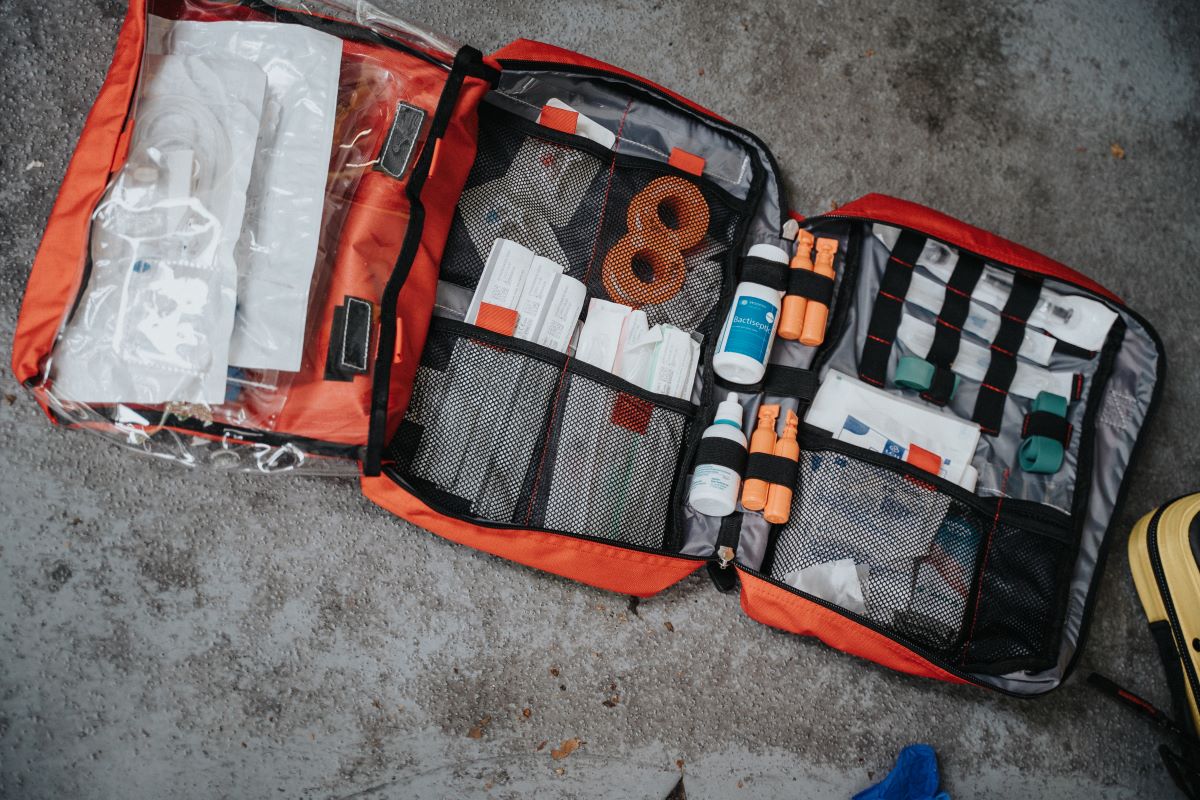
Have accessible areas for first aid sets consisting of handwear covers, scissors, disinfectant wipes & & manuals describing standard first aid treatments including "exactly how to carry out mouth-to-mouth resuscitation." Discuss home emergency plans on a regular basis entailing all relative so everyone knows what actions they ought to take if something takes place unexpectedly!FAQs Concerning Carrying out mouth-to-mouth resuscitation in Australia
Q1: For how long does a mouth-to-mouth resuscitation certification continue to be legitimate in Australia?
A1: A regular CPR certificate validity lasts as much as 3 years prior to needing renewal through recertification courses provided commonly across different companies like St John Ambulance.
Q2: Exist on-line choices available for getting certification?
A2: Yes! Lots of recognized institutions supply online cpr certification that permits participants adaptability relating to time administration while finding out important skills required efficiently!
Q3: What age-specific standards exist for carrying out cpr?
A3: Yes! There are clear age-specific cpr guidelines australia emphasizes distinctions based upon age (infants vs youngsters vs adults) pertaining to methods made use of thus ensuring efficiency without causing harm unintentionally!
Q4: Is there any analytical data relating success rates post-cpr?
A4: Definitely! According To cpr success price statistics australia, Immediate initiation increases survival prices dramatically showing importance behind prompt interventions!
Q5: Can I use AED without official training?
A5: Definitely! Most modern devices come outfitted with straightforward directions making it feasible even inexperienced individuals administer shocks safely when necessary!
Q6: Where can I locate neighborhood classes providing hands-on training sessions?
A6: Countless organizations supply local cpr courses, including recreation center as well as medical facilities focusing largely https://privatebin.net/?4898a0123e20f6be#3M71n73tNVphh67EoPGq8s2P7bLz1wBuLz6hcDBG3qkS showing basic lifesaving techniques successfully via Visit the website practical demos together with theoretical expertise acquisition!
Conclusion
Knowing exactly how to execute mouth-to-mouth resuscitation in Australia properly has actually become an indispensable ability efficient in saving numerous lives annually-- a duty most of us share within our areas! By understanding foundational principles bordering this life-saving technique alongside integrating resources offered locally such as training courses customized specifically towards improving specific capabilities; we encourage ourselves better outfitting those eager sufficient rise occasions where action requires taken quickly! Remember constantly technique makes excellent; as a result continuous knowing whether attending refresher course trainings workshops makes certain preparedness versus unanticipated emergencies striking when least expected!
First Aid Pro is one of Sydney’s leading providers of accredited CPR and first aid courses. Established in 2012, our nationally registered training organisation (RTO) has equipped over 2.6 million Australians with essential life-saving skills through our experienced team of over 110 expert trainers. Conveniently located in the heart of Sydney at Chambers Arcade Level 15, Suite 1501/370 Pitt Street, Sydney NSW 2000, we offer top-quality, nationally accredited CPR and first aid training sessions tailored to your needs—whether for workplace requirements, career advancement, or personal safety. From childcare-specific first aid to advanced first aid and resuscitation, we’ve got you covered! Secure your Sydney first aid course or CPR training with us and build the confidence to handle emergencies with a trusted Sydney first aid provider. Take the first step towards becoming a skilled and capable first aider with First Aid Pro today! Call today on 08 7120 2570.